
 According to the National Oceanic and Atmospheric Administration (NOAA), July 2026 was the hottest single month ever recorded across the contiguous United States.
July averaged 76.89°F across the Lower 48 states, eclipsing the Dust Bowl’s July 1936 temperature by one-eighth of a degree, and 3.3° above the 20th century average. NOAA’s instrumental temperature records for contiguous U.S. regional tracking began in 1895.
What does this mean for your roof? The extreme heat highlights the importance of a fall roof inspection.
Daily temperature swings cause membranes, metal flashings, and fasteners to expand and contract at different rates resulting in damage to seams and sealants. UV exposure can cause membranes to lose elasticity and crack, exposing small issues and existing vulnerabilities.
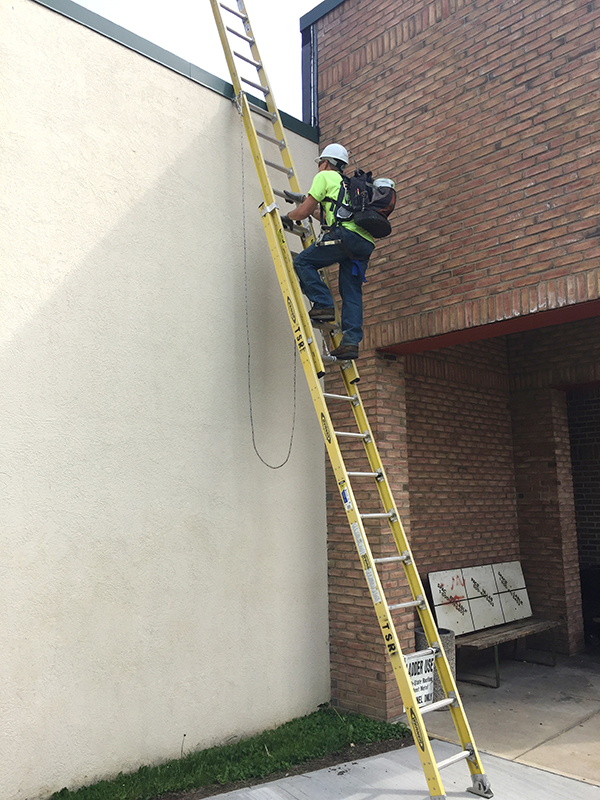
With a fall roof inspection by our group, potential roof problems can be identified and corrected early on, before a leak occurs and causes more damage to the roof system. We will inspect:
- Membrane or roofing material
- Perimeter edging, fascia, gravel stops
- Walls, openings, roof penetrations, rooftop equipment
- Drains, gutters, scuppers
- Caulking and solder joints
- Expansion joints, pitch pans
During the inspection, we’ll clear drains of debris. Any minor repairs will be completed immediately. Larger issues will be documented and detailed in a report along with a proposal with suggested solutions.
Whether summer conditions caused damage — or exacerbated existing vulnerabilities, you will be prepared to make informed facility maintenance decisions.
Contact the office nearest you to schedule a fall roof inspection.