
It’s officially spooky season. Treat your building to a roof inspection.
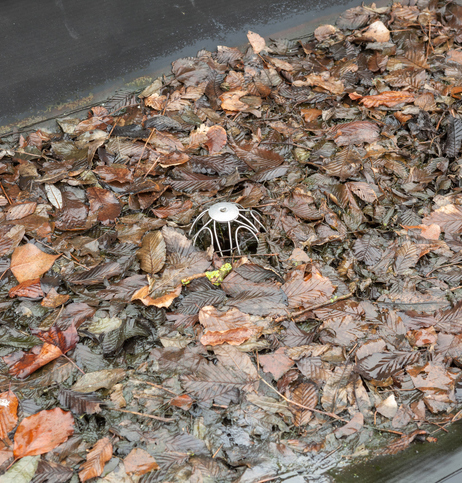
Tri-State/Service Group recommends annual fall and spring roof inspections. Inspections are also advised following extreme weather, equipment additions, vandalism, or accidental damage.
So many scary things could be hiding up there.
The good news is finding and fixing problems like these early will reduce the time and costs associated with a roof leak that is likely to occur.
A roof inspection by Tri-State/Service Group technicians is a good proactive step to take. We’ll inspect the roof membrane, perimeter edging, fascia, gravel stops, roof penetrations, drains, gutters, scuppers, caulking, expansion joints, and pitch pans. During the inspection, we’ll clear drains of debris. Any minor repairs will be completed immediately. Larger issues will be documented and detailed in a report along with a proposal with suggested solutions.
Mitigate some of the scary stuff that occurs this time of year: treat your building to a roof inspection by the Tri-State pros.
Contact the location nearest you to schedule.
Is your HVAC system ready to handle the demands of cooler weather?
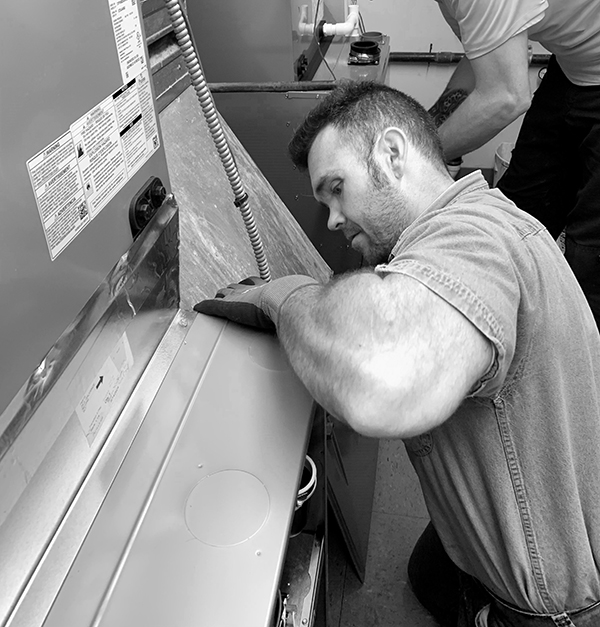
Is your HVAC system ready to handle the demands of cooler weather? Schedule your fall HVAC maintenance with us.
A well-maintained system increases functionality and energy efficiency, helping to prevent costly repairs and extend the useful life of your equipment.
From furnace start-up and inspecting burners, electrical components, and controls, to changing filters, belts, and more – minimize downtime and preserve your system’s ability to achieve thermal comfort, energy efficiency, and indoor quality with a fall/winter tune-up from Tri-State.
Our clients say it best:
“Top-notch techs!”
“Tri-State installed our hot water heat boiler and finally got the zone heating properly – that NO ONE ELSE could.”
“No other heating/cooling company can compare to your company’s service and knowledge of the heating and cooling systems.”
“In my experience in over thirty years in the construction business, I would have to rank Tri-State Roofing & Sheet Metal in the top 10% of HVAC contractors that I have worked with.”
HVAC/Mechanical services are available at Tri-State Roofing & Sheet Metal Company locations in Parkersburg, Charleston, and Morgantown, West Virginia; and in the Cumberland, Maryland area. HVAC/Mechanical Service Locations
Top OSHA Violation for 16th Consecutive Year: Fall Protection
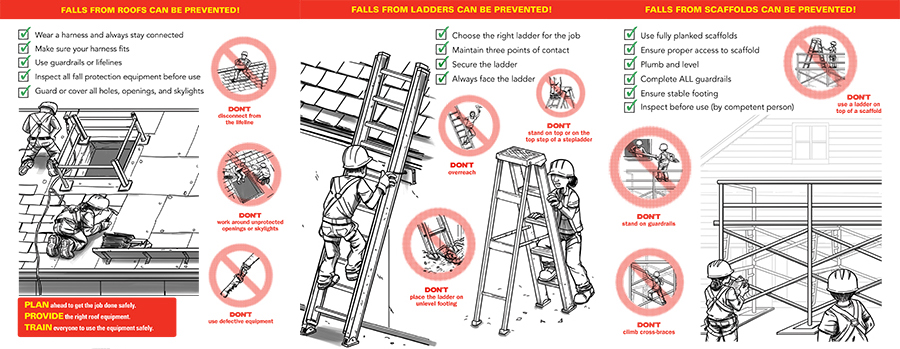
According to the U.S. Centers for Disease Control and Prevention (CDC), falls are the leading cause of work-related deaths and severe injuries in the construction industry, accounting for over one-third of all construction fatalities.
The Occupational Safety and Health Administration’s (OSHA) preliminary Top 10 list of most frequently cited workplace standards for 2026 was unveiled during the recent National Safety Congress & Expo, the world’s largest annual gathering of safety professionals.
For the 16th consecutive year, the Fall Protection – General Requirements standard was most frequently cited with 4,041 violations.
OSHA’s yearly Top 10 list puts a spotlight on safety in the workplace, highlighting hazards that continue to put American workers at risk.
- Fall Protection – General Requirements: 4,041 violations
- Hazard Communication: 1,961
- Lockout/Tagout: 1,863
- Scaffolding: 1,725
- Ladders: 1,659
- Respiratory Protection: 1,608
- Powered Industrial Trucks: 1,379
- Fall Protection – Training Requirements: 1,273
- Personal Protective and Lifesaving Equipment – Eye and Face Protection: 1,120
- Machine Guarding: 1,072
The good news this year: each of the Top 10 categories received fewer citations than the previous year. But more work is needed. OSHA’s list and rankings continue to help employers by identifying persistent workplace risks that require attention.
When you choose the Tri-State/Service Group, you’re partnering with an experienced and safe roofing contractor. Our group works continuously to improve safety performance through our “Working. Safe” program–evaluating and refining our processes daily–with a zero injury and illness goal.
Anything out of metal – Yes, we can do that: corner guards

Small details like these can make a big difference in maintaining professional interiors.
Metal corner guards are a non-porous, impact resistant, and long-lasting solution for protecting interiors in heavy traffic areas.
Our group installed these guards at an area medical center. Fabricated of corrosion and chemical resistant stainless steel, the guards are 48” long with 4” sides and are attached with countersunk stainless steel screws.
They protect walls from damage due to carts, dollies, hand trucks, hospital stretchers, and general foot traffic helping to maintain a professional, clean appearance all while minimizing interior finish repair costs.
Clients and customers have high expectations for medical facilities and notice details like this. What worksite problem can we help you solve?
Hottest July on record: another important reason to schedule your fall roof inspection.
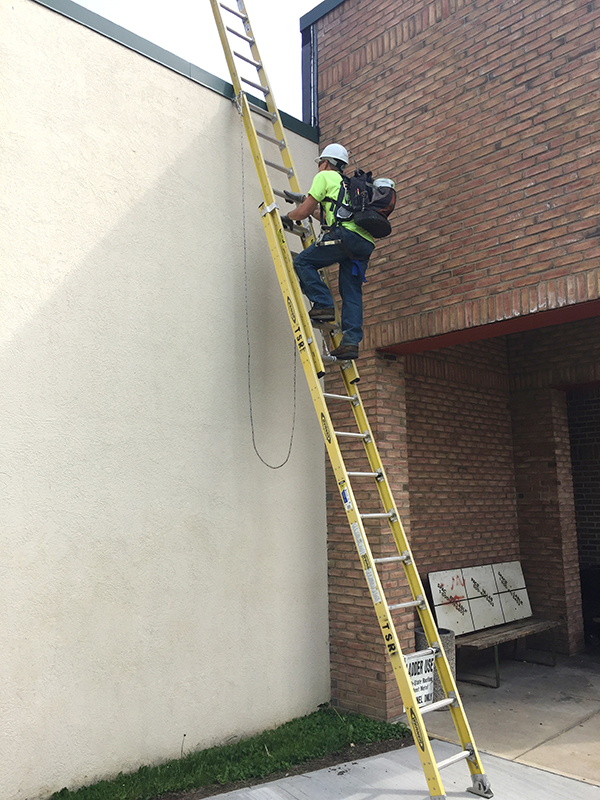 According to the National Oceanic and Atmospheric Administration (NOAA), July 2026 was the hottest single month ever recorded across the contiguous United States.
July averaged 76.89°F across the Lower 48 states, eclipsing the Dust Bowl’s July 1936 temperature by one-eighth of a degree, and 3.3° above the 20th century average. NOAA’s instrumental temperature records for contiguous U.S. regional tracking began in 1895.
What does this mean for your roof? The extreme heat highlights the importance of a fall roof inspection.
Daily temperature swings cause membranes, metal flashings, and fasteners to expand and contract at different rates resulting in damage to seams and sealants. UV exposure can cause membranes to lose elasticity and crack, exposing small issues and existing vulnerabilities.
With a fall roof inspection by our group, potential roof problems can be identified and corrected early on, before a leak occurs and causes more damage to the roof system. We will inspect:
- Membrane or roofing material
- Perimeter edging, fascia, gravel stops
- Walls, openings, roof penetrations, rooftop equipment
- Drains, gutters, scuppers
- Caulking and solder joints
- Expansion joints, pitch pans
During the inspection, we’ll clear drains of debris. Any minor repairs will be completed immediately. Larger issues will be documented and detailed in a report along with a proposal with suggested solutions.
Whether summer conditions caused damage — or exacerbated existing vulnerabilities, you will be prepared to make informed facility maintenance decisions.
Contact the office nearest you to schedule a fall roof inspection.
Safe & Sound Week: August 10-16, 2026
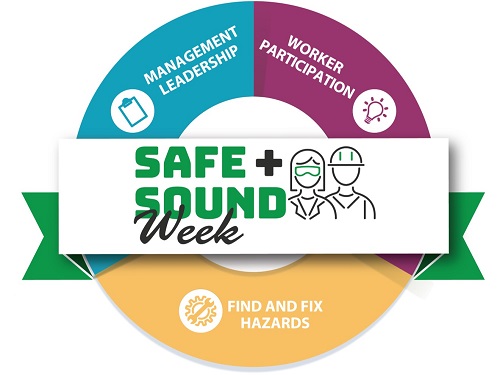 Safe & Sound Week was launched in 2017 by the Occupational Safety and Health Administration (OSHA) to promote workplace safety and health programs.
Throughout its history, the campaign has always focused on three primary pillars:
- Management Leadership: Commitment from top executives to prioritize safety.
- Worker Participation: Involving employees in identifying and reporting daily hazards.
- Find and Fix Hazards: Proactively shifting workplace culture away from reactive planning.
This year’s campaign shifts its central theme toward safety and health recognition, challenging employers to evaluate if their current programs work in practice rather than just on paper.
Safe & Sound Week is a good time to review a recent safety culture survey of over 500 U.S. workers conducted by Tradesafe, a safety equipment manufacturer based in Las Vegas. The survey shows there is a great deal of work to be done to improve safety culture and results in the workplace. Among its findings:
- More than one-third (36%) of all workers surveyed said production deadlines pressured them to bypass safety.
- More than half (52%) of all respondents said safety rules felt more like suggestions than enforceable policies.
- One in four blue-collar workers (25%) observed a near-miss incident in the past year and didn’t report it.
- Almost one-third (32%) worried that speaking up about a safety issue could hurt their job security, promotion opportunities or reputation.
- Slightly more than half (56%) agreed that reporting a safety issue would lead to real action.
- Seeing unpunished rules violations was reported by 44% of non-union workers and 36% of union workers.
The results of this Tradesafe study make a strong case for Tri-State/Service Group’s multi-level safety approach in support of our core belief that all injuries are preventable.
We never lose sight of wellness and injury prevention, working each day to improve safety through our “Working. Safe.” and “Goal Zero” programs. Both emphasize ongoing education and 360-degree communication and feedback to help us achieve our important safety goal: zero incidents, zero injuries.
Yes, we can do that: metal and composite metal cladding systems
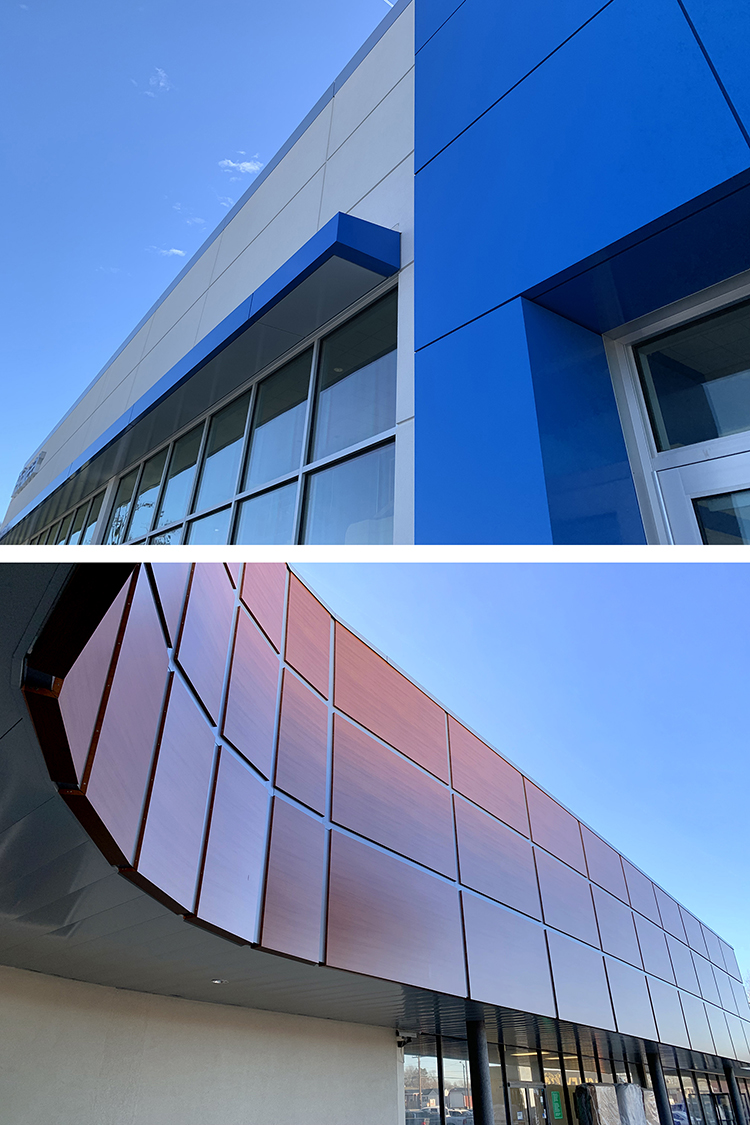
Tri-State/Service Group companies work closely with architects, general contractors, and building owners to specify and install beautiful and functional cladding systems.
Cladding systems are non-structural architectural features designed to support their own weight and can provide many benefits:
- sleek and modern appearance and finish
- resistant to weathering and requires minimal maintenance
- durable and resistant to fire, insects, rot
- may be textured, finished, and configured to achieve visual effects
- elevates appearance of remodeled building exteriors
- can create focal points, enhance wayfinding
- custom designed and fabricated for efficient and precise installation
Available in a variety of profiles, depths, finishes, and assembly options, these systems offer design and material choices to achieve aesthetic goals for building exteriors or interior feature walls.
It’s National Safety Month!
This year is the 30th anniversary of National Safety Month. Established by the National Safety Council, the event is held each June to promote safe practices and prevent injuries on the job, at home, and on the road.
Long before the Bureau of Labor Statistics analyzed and published comprehensive, national data on workplace fatalities in the U.S., the National Safety Council published “injury summaries.” Its first, printed in 1921, estimated 75,500 fatal accidents and a death rate of 71.9 per 100,000 population. This first statistical summary, An Analysis of Public Accidents, was created with the help of volunteers who collected data from 36 cities, life insurance companies, plus additional sources.
Today, the National Safety Council regularly uses Bureau of Labor Statistics (BLS) data to monitor workplace trends and advocate for better safety measures.
According to the latest available injury data from the BLS:
• 5,070 workers died from on-the-job injuries in the U.S. in 2024, a 4.0-percent drop from the 5,283 recorded in 2023.
• Construction had the most private industry workplace deaths at 1,034 in 2024, down 3.8 percent from 1,075 in the prior year.
• Transportation incidents were the deadliest event category in 2024, claiming 1,937 lives.
• Falls, slips, and trips were the second highest at 844 deaths, down from 885 in 2023.
• Contact incidents accounted for 756 fatalities.
• Violent acts—including homicides (470) and suicides (263)—resulted in a total of 733 deaths.
• The steepest decline came in the exposure to harmful substances or environments category which fell 16.2 percent from 820 to 687 deaths. This decline was driven by a decrease in fatal drug and alcohol overdoses, which were down from 512 in 2023 to 410 in 2024.
This National Safety Month, as well as every day, our group puts the safety of our people first with our comprehensive, industry-recognized Working. Safe. program. With buy-in from each level of our organization, working safely is what we do – and how we do it. Happy National Safety Month!
National Roofing Week is June 7-13!
National Roofing Week is June 7-13.
For us, it’s all about roofing, week in and week out. But this week is special; our industry has its very own time to shine: National Roofing Week.
Since 2014, the National Roofing Contractors Association (NRCA) has organized National Roofing Week to raise awareness for the profession, its impact, and to celebrate the significance of roofs to every home and business. National Roofing Week is scheduled in the first full week of June each year.
 The event also is a time to highlight contractors’ service to their communities. This community connection is close to our hearts: Ronald McDonald House Charities (RMHC).
We are proud to join other roofing companies supporting RMHC. Tri-State/Service Group “adopted” all available Ronald McDonald Houses in our service areas — providing inspections, repairs, and maintenance services to these eleven houses. There are 165 houses nationwide; our group has adopted the highest number of homes among contractors supporting the charity through the Roofing Alliance, the National Roofing Contractors Association foundation organizing the effort.
Many thanks to Ronald McDonald House Charities for the important work they do supporting children and families through difficult times.
Marion/Service Roofing & Sheet Metal Company of Ocala, Fla.
Ronald McDonald House North Central Florida, Gainesville, Fla.
Service Roofing & Sheet Metal Company of Greenville, N.C.
Ronald McDonald House of Greenville, N.C.
Service Roofing & Sheet Metal Company of Raleigh, N.C.
Ronald McDonald House in Chapel Hill, Chapel Hill, N.C.
Ronald McDonald House of Durham NC, Durham, N.C.
Ronald McDonald House of Winston-Salem Inc., Winston-Salem, N.C.
Ronald McDonald House of Charlotte, Charlotte, N.C.
Tri-State Roofing & Sheet Metal Company of Lexington, Ky.
Ronald McDonald House of Lexington, Lexington, Ky.
Tri-State Roofing & Sheet Metal Company of Charleston, W.Va.
Ronald McDonald House of Charleston, W.Va., Charleston, W.Va.
Ronald McDonald House of Huntington, Huntington, W.Va.
Whitley/Service Roofing & Sheet Metal Company of Richmond, Va.
Ronald McDonald House of Richmond, Richmond, Va.
Whitley/Service Roofing & Sheet Metal Company of Charlottesville, Va.
Ronald McDonald House in Charlottesville, Charlottesville, Va.
Anything out of metal – Yes, we can make that: rooftop access covers
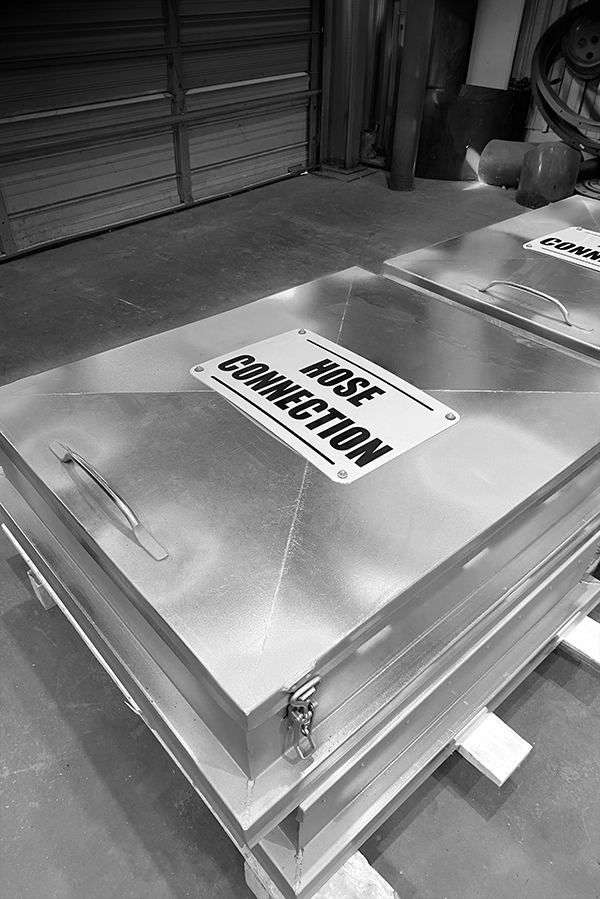
These roof access covers were fabricated and installed by our group for a manufacturing client. The covers are built of 16 ga stainless steel and manufactured to fit precisely over existing roof curbs. They provide fire hose access and protect workers and tradesmen when on the roof.
The covers include clear signage, secure latches, hinges, and handles for easy and safe operation. They have a dimensional facing to shed water. Our group created six of these covers for our client.
Tri-State assures proper integration and installation of roofing accessories like these with clean and efficient details to protect your commercial roof.